

Key Takeaways
Normal wear and tear refers to the expected, gradual deterioration of a rental property from everyday use, which landlords are responsible for addressing.
Accurately distinguishing between wear and tear and tenant-caused damage is essential for legal compliance, fair security deposit deductions, and avoiding disputes.
Routine maintenance, clear documentation, and a solid maintenance budget help landlords manage wear and tear effectively.
If you're managing rental properties, you've likely come across the term normal wear and tear. It refers to the gradual decline in the condition of a property and its fixtures due to everyday use. Over time, appliances break down, paint fades, and flooring shows signs of use. This type of deterioration is expected and unavoidable, making it the landlord's responsibility to handle repairs or replacements.
Learn how we can help you maximize your property investment's potential.
It's essential to recognize the difference between wear and tear and actual damage. Understanding the differences helps you make informed, lawful decisions, especially when it's time to determine whether a deduction from a tenant's security deposit is justified. In this guide, we at RGroup Realty will walk you through everything you need to know about normal wear and tear!
Common Examples of Normal Wear and Tear
The following are typical signs of standard use that landlords should expect over time:
- Faded wallpaper or wall paint
- Slight carpet discoloration or fraying
- Scuff marks on wood flooring or baseboards
- Dirty or sun-damaged window treatments
- Light mold in showers caused by poor ventilation
- Partially clogged drains due to aging plumbing
- Worn-out blinds or curtain rods
- Minor chips in tiles or countertops
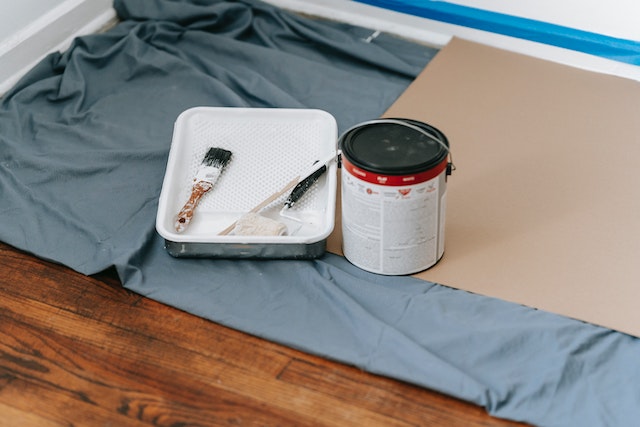
Since these issues stem from routine usage and not from tenant neglect, landlords are expected to cover the cost of repair or replacement.
Examples of Tenant-Caused Damages
By contrast, the following examples would typically fall under tenant responsibility:
- Water damage from indoor plants hung on walls
- Broken or missing window shades
- Walls painted in unapproved colors
- Unauthorized wallpaper installations
- Excessive mold from failure to clean bathroom surfaces
- Clogged drains due to improper disposal of food or hair
- Cracked or shattered windows
- Missing or broken tiles caused by neglect
However, landlords should avoid automatically blaming tenants. Proper inspections and documentation are key to determining accountability. If the tenant is the cause of said damage, landlords can use the security deposit to cover the costs or repairs.
The Role of Routine Maintenance
Regular upkeep helps prevent larger issues from developing and slows down the wear-and-tear process. Smart landlords follow maintenance schedules to keep their properties in good shape and avoid tenant disputes. Here are some practices that can make a big difference:
Routine Cleaning
After a tenant vacates, professional cleaning is often necessary to prepare the property for the next occupant. If professional cleaning is standard practice between tenants, it shouldn't be deducted from the previous renter's deposit, unless they leave the unit in an exceptionally dirty state. In that case, charging a cleaning fee is reasonable.
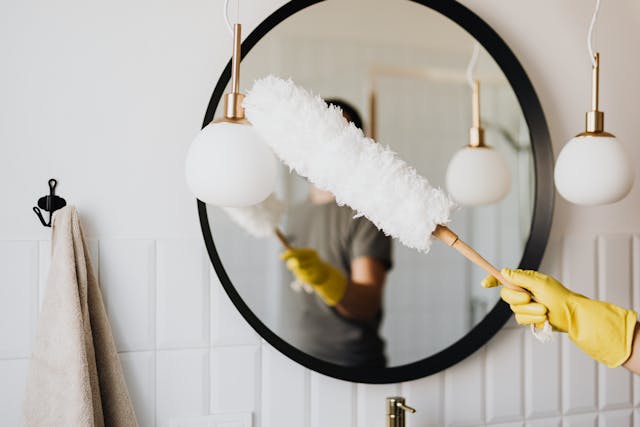
Providing tenants with a cleaning checklist before move-out can help ensure the unit is returned in acceptable condition.
Carpet Maintenance
Carpet cleaning is a common area of contention. If steam cleaning is part of your usual upkeep, the cost should not be passed on to the tenant. However, if the tenant leaves behind heavy staining or damage, especially if the carpet was recently installed, you may be justified in charging them for replacement or deep cleaning.
Repainting
Most landlords repaint units every two to three years. If tenants leave marks, holes, or use unapproved paint colors , then part of the repainting cost can be deducted from the deposit. If the repainting falls within your regular property upkeep schedule and the wear is minimal, it should be treated as part of ongoing maintenance.
Speak with our property management experts!
Considering the Lifespan of Fixtures and Appliances
Everything in a rental property has a finite lifespan. When you understand the expected longevity of household items, you can better determine whether a repair is due to normal wear or tenant negligence. You can also decide whether a cost should be fully covered by you or partially shared with the tenant. If an item fails after its expected lifespan, it typically falls under landlord responsibility, even if the tenant was using it at the time.
Keeping Thorough Records
Good documentation is crucial. Record the purchase dates and installation details for appliances, flooring, and fixtures. Take dated photos before tenants move in and after they leave. These visuals serve as valuable proof if you need to justify deductions or defend against a dispute. When outlining repair charges to a tenant, attaching images of the damage can add clarity and prevent misunderstandings.
Planning Ahead with a Maintenance Budget
Since normal wear and tear is inevitable, it's wise to set aside funds specifically for routine upkeep and unexpected repairs. Having a budget in place ensures you can address issues promptly, maintain a habitable space , and reduce the risk of prolonged vacancies or tenant dissatisfaction.
Diligently Tenant Screening
Proper tenant screening helps protect your rental property by ensuring you select responsible tenants. Background checks, including credit scores and rental references, increase the likelihood of renting out your home to tenants who care for the Arizona property and follow lease terms.
Contact our property management experts today!
Bottom Line
Maintaining a rental property in a major undertaking. Proactive maintenance and a clear understanding of what constitutes normal wear and tear are vital parts of successful property management. Being able to fairly assess damages and make informed decisions about repair responsibilities protects both your investment and your relationship with your tenants.
By staying organized, documenting everything, and setting clear expectations, you can handle wear and tear efficiently, and keep your property in top shape for years to come. Need help managing your property ? Contact our expert team today!
Steve Rice

Steven R. Rice is the Founder and Designated Broker of RGroup Realty and Property Management and the driving force behind affiliated companies, including Elements By Design and Sizzle Marketing. With more than 24 years of real estate experience and over 17 years in property management, he specializes in residential real estate brokerage, property management, investor relations, property performance strategy, BINSR and repair coordination, agent development, and building integrated service models that connect brokerage, maintenance, and marketing. Steven holds the CRS, ALHS, CLHMS, CRPM, SRES, GRI, SFR, and e-PRO designations, and has served in leadership roles with Long Realty, Realty Executives, and Keller Williams before founding RGroup Realty and Property Management in 2024.